

Waste water Monitoring
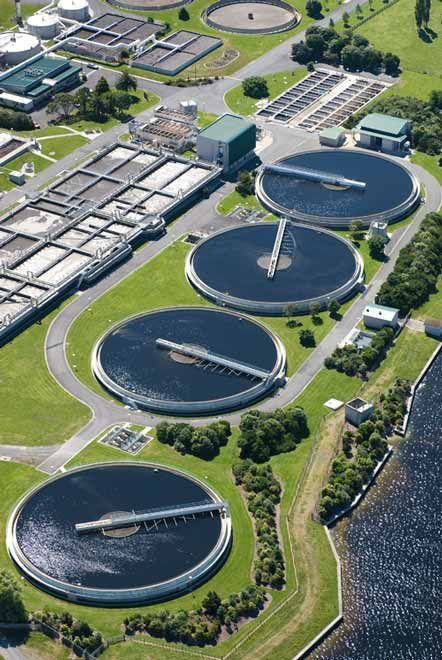
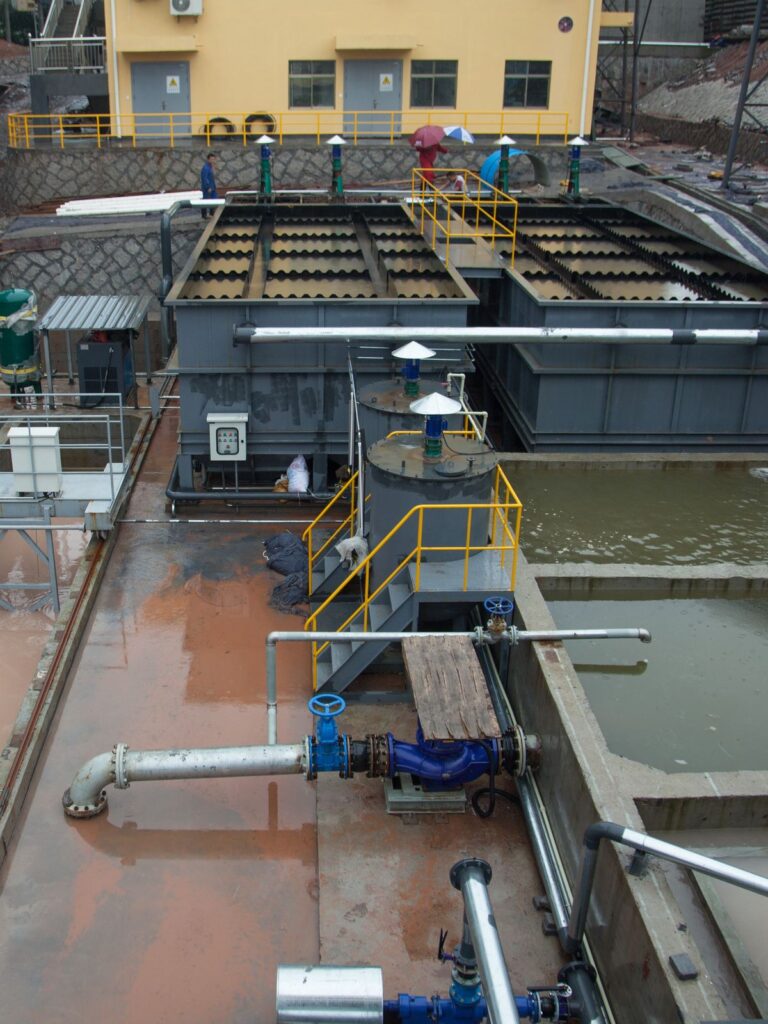
Wastewater Monitoring is the process of measuring and analyzing the physical, chemical, and biological characteristics of wastewater to ensure safe discharge, regulatory compliance, and effective treatment.
Key Parameters Monitored :
PH – Acidity or alkalinity of water
BOD (Biochemical Oxygen Demand) – Organic pollution level
COD (Chemical Oxygen Demand) – Total chemical pollutants
Dissolved Oxygen (DO) – Oxygen availability in water
Total Suspended Solids (TSS) – Solid particles in water
Oil & Grease – Industrial contamination levels
Heavy Metals – Toxic elements like lead, mercury, chromium
Monitoring Types :
Online Continuous Monitoring (OCEMS) – Real-time data tracking
Manual Sampling & Lab Analysis – Periodic testing
Effluent Treatment Plant (ETP) Monitoring – Inlet & outlet analysis
Solid Waste Management
Solid Waste Management (SWM) is a critical component of environmental protection and sustainable development. It involves the efficient handling of solid waste from generation to final disposal through scientifically designed systems. With increasing industrialization and urbanization, proper waste management has become essential to minimize environmental impact, conserve natural resources, and ensure regulatory compliance.
Types of Solid WasteMunicipal Waste – Household garbage, food waste, paper, plastics
Industrial Waste – Waste from manufacturing processes
Biomedical Waste – Hospital and healthcare waste
Electronic Waste (E-waste) – Discarded electronic devices
Hazardous Waste – Toxic, flammable, or chemical waste